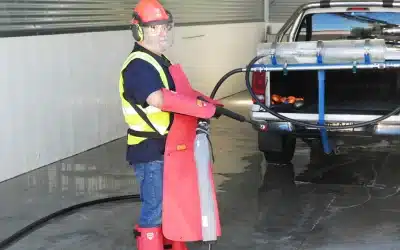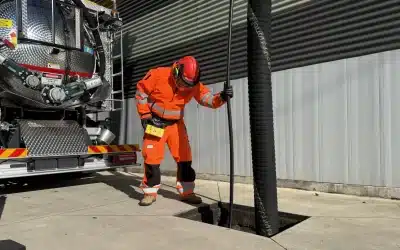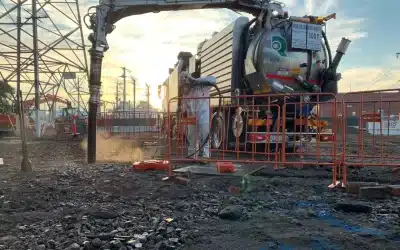

In ageing municipal and industrial sewer networks, root intrusion is a recurring operational issue that consumes time, labour and budget. Tree roots exploit joints and fractures, expand within the pipe, and form dense, fibrous masses that restrict flow and trigger repeat call-outs.
For contractors, asset managers and fleet operators, the issue is not simply whether a blockage can be cleared today. It is whether it will return next month, whether the line is ready for relining, and whether the method of removing the root is placing unnecessary strain on hoses, pumps and crews.
Light intrusions can often be broken up with flexible rods and followed by high-pressure jetting. However, when root masses are compacted, fibrous and recurring, restoring flow is requires a more controlled mechanical intervention. Southland Tools Puma root cutting systems are designed for this. These heavy-duty hydraulic tools enable operators to cut, rip and remove root masses before jetting flushes the loosened material into a combination vacuum and jetting truck for recovery.
KOR supports the use of Southland Tools as part of a broader sewer maintenance strategy, pairing tools with compatible equipment, national service capability and accredited operator training delivered through KOR Academy (in partnership with Trainright RTO 45777).
Limitations of rodding and jetting
Experienced operators understand the strengths of rodding and high-pressure jetting. For light or newly formed root intrusion, these methods are often sufficient to restore flow and return the asset to service.
The limitations emerge when roots have formed dense, woven masses. In these cases, pushing harder is not always the answer. High-speed action can tear rather than cleanly separate, leaving fragments that re-establish quickly. Hoses can experience additional strain. The job can become slower rather than faster. Therefore, some obstructions require a cutting action before flushing to be effective.
Advantages of hydraulic root cutting
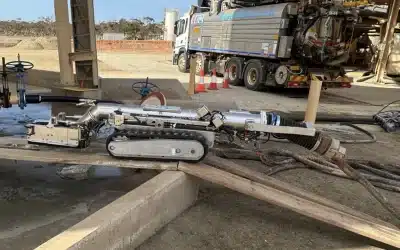
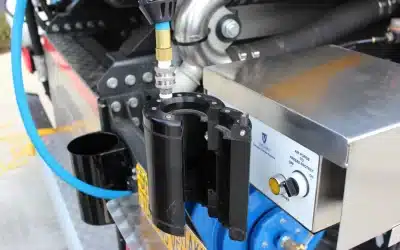
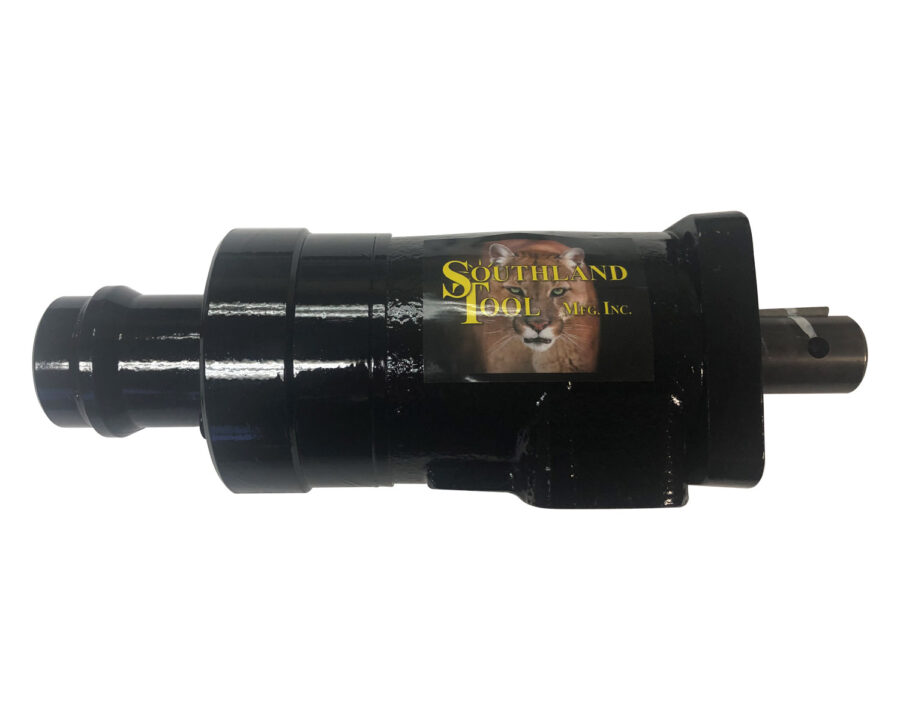
Puma hydraulic root cutting systems are engineered to address stubborn root blockages inside sewer lines. The system is designed around a hydraulic root cutter motor that attaches to the high-pressure hose of a combination vacuum and jetting truck.
High-pressure water drives a low-speed, high-torque motor fitted with sharp cutting blades. The emphasis on torque rather than speed is deliberate, as a slower rotational speed combined with higher torque supports a steadier, more controlled cutting motion through dense roots and other obstructions.
Additional advantages include:
- Continuous cutting power with reduced jamming
- Minimal water use relative to high-speed approaches
- Less excessive wear and tear, particularly on the sewer hose
Puma systems are available with ¾ inch and 1 inch hose fittings, allowing operators to align the tool with their existing configuration.
For fleet and operations managers, the design offers a controlled cut that progresses consistently through dense material to reduce equipment stress and the likelihood of incomplete clearance.
Puma systems and attachments
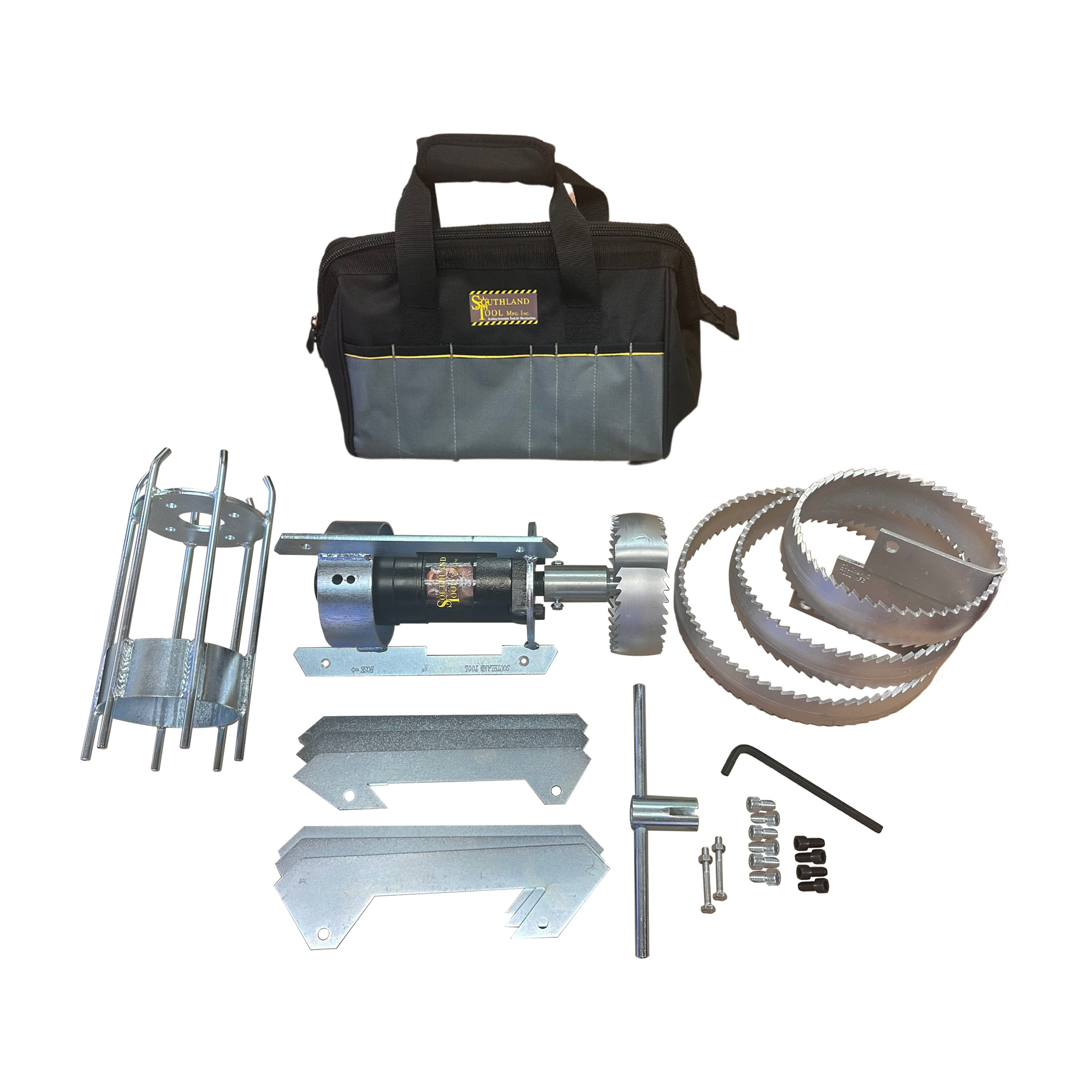
Root intrusion does not present uniformly. Pipe diameters, depths and obstruction types vary. The Puma system accommodates this variability through a range of specialised cutting attachments that mount onto the hydraulic motor in different styles and sizes.
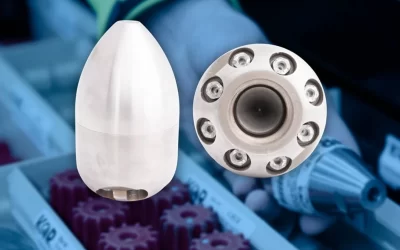
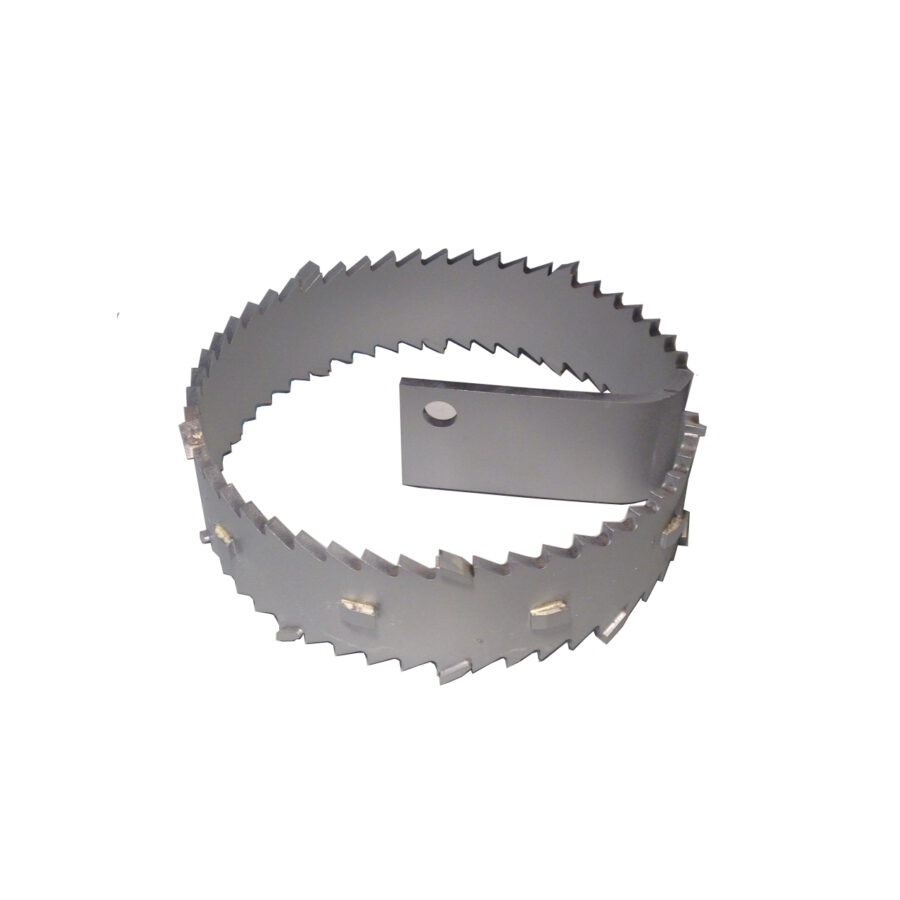
An example is the Carbide Toothed Concave Root Saw, which is a heavy-duty circular or multi-toothed root cutting blade designed for aggressive engagement with fibrous material.
EZY skids bolt onto the cutter motor and help it ride smoothly through the pipe while cutting. By keeping the cutter centred, they support even contact with the obstruction and aim to reduce the risk of uneven cutting or avoidable damage to pipe and tool.
These components are central to achieving a controlled, predictable cutting process in confined underground environments.
Common applications of Puma systems
Operators of Cappellotto combination units have used Puma root cutting tools across a range of demanding applications, including:
- Tree root removal in municipal sewer networks
- Preparation of pipes prior to lining or rehabilitation, where thorough clearance is essential
- Breaking apart heavy blockages in stormwater drains
- Cleaning large-diameter industrial pipework in mining and manufacturing environments
These scenarios share a common feature, as the cost of incomplete removal is high. Whether measured in repeat attendance, failed inspections or operational disruption, partial clearance is unacceptable.
Puma integration with Cappellotto combination trucks
The value of mechanical cutting is amplified when it sits within a coordinated workflow. A typical sequence involves:
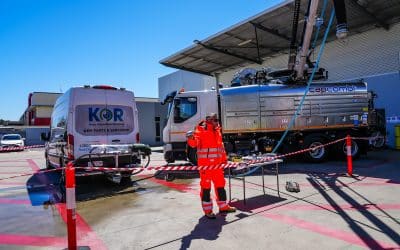
- Attaching the hydraulic root cutter motor to the high-pressure hose of a combination truck.
- Using water flow to drive the low-speed, high-torque motor and engage the cutting blades.
- Cutting and loosening dense roots and obstructions.
- Following with high-pressure jetting to flush debris downstream.
- Vacuuming the material into the debris tank in the same operation.
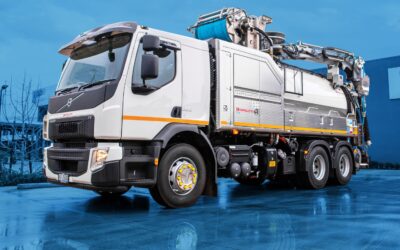
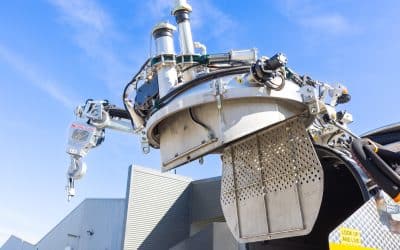
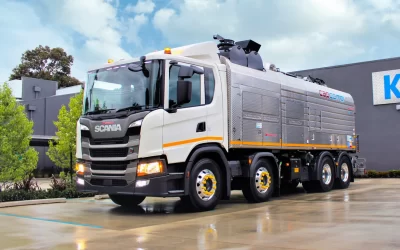
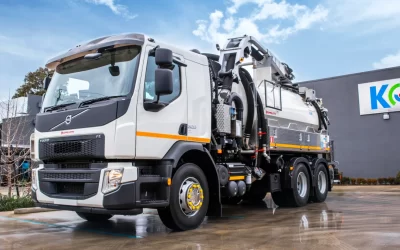
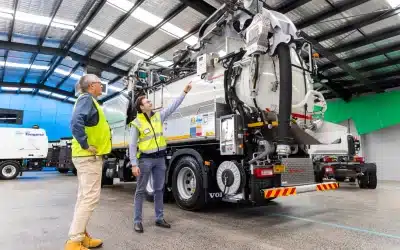
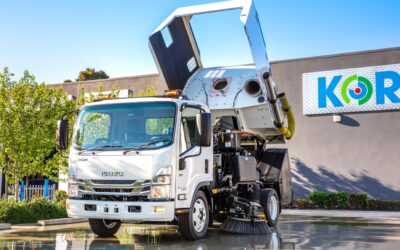
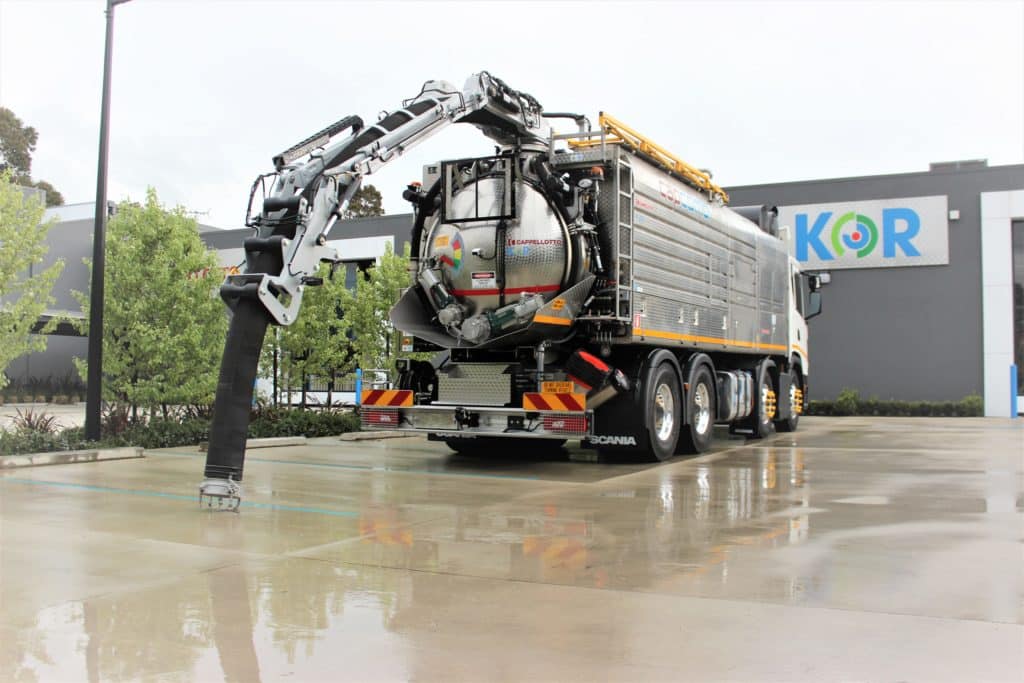
Cappellotto combination vacuum and jetting trucks are designed to clean and recover waste in one operation, supporting efficiency in sewer maintenance work. Selecting the appropriate truck configuration depends on factors such as pipe size and depth, blockage type, volume of waste and site accessibility.
Operational and equipment lifecycle considerations
Puma root cutting systems are chosen by many operators because they are designed for heavy use in city, industrial and rural sewer systems and aim to deliver:
- Performance under load
- Higher torque and slower speed to support a fluid cutting action
- Flexible blade and skid options for different pipe diameters and obstruction types
- Reduced equipment stress
- Steady cutting that can limit jamming
- Reduced excessive wear on hoses compared with high-speed tearing approaches
- Cost and productivity considerations
- Minimal water use
- Faster, more thorough clearance in demanding scenarios
- Potential reduction in repeat call-outs where dense roots are properly removed
These outcomes should be evaluated in context, as underground conditions vary. However, the underlying engineering rationale supports a more controlled and deliberate removal process in high-demand situations.
Puma sewer tools and accessories beyond root cutting
Mechanical cutting is often the focal point, but efficient sewer maintenance depends on a broader toolkit. The Puma range includes additional sewer tools and accessories such as:
- Sewer spoons used to scoop debris, grease or sediment from a pipe
- Sewer Hose Grabbers for fibreglass poles that guide or retrieve sewer hoses or cables
- Extension kits that extend the reach or capability of Puma sewer tools for deeper lines or wider diameters
Extension kits, in particular, can help a root cutter cover larger pipes or deeper runs without requiring separate standalone tools. For fleets seeking versatility without unnecessary duplication, this modularity is relevant.
When conventional jetting is sufficient and when mechanical cutting is appropriate
A balanced approach is essential.
Conventional rodding and high-pressure jetting may be sufficient when:
- Root intrusion is light and infrequent
- Blockages are minor
- Preventative maintenance is being conducted on relatively clear lines
Mechanical root cutting becomes more appropriate when:
- Root masses are dense and fibrous
- Blockages recur in the same sections of pipe
- Lines must be properly cleared before rehabilitation or lining
- Larger diameter or deeper pipes require higher torque for effective removal
Puma systems are designed to complement jetting, not replace it. The cut enables the flush. The flush enables efficient vacuum recovery.
Considerations before specification
What if we already rely on jetting capability?
Jetting remains a core capability. Puma is intended for situations where dense roots require a cutting phase before flushing can achieve durable clearance.
Will mechanical cutting damage the pipe?
The use of EZY skids to help centre the cutter and support even cutting reflects an intention to minimise uneven contact. As with all underground works, pipe condition should be assessed, and appropriate methods selected accordingly.
Is it complex to operate?
The system integrates with the high-pressure hose of a combination truck, using water flow to drive the hydraulic motor. Operator competency remains critical. Appropriate training and safe work procedures are central to effective use.
What about service and training?
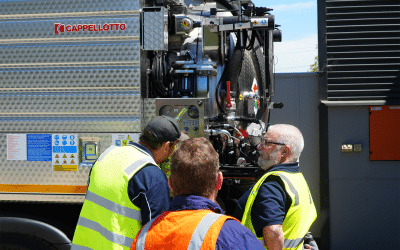
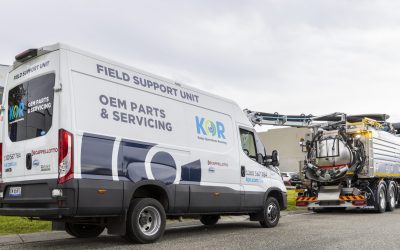
KOR distributes equipment and accessories across Australia and New Zealand, with established workshops and mobile service vans, as well as spare parts. While, training is offered through KOR Academy (in partnership with Trainright RTO 45777), covering high-pressure water jetting, drain cleaning systems, vacuum loading systems and hydro excavation.
Selecting the configuration for your fleet
Before specifying a mechanical root cutting system, clarity around operating conditions will inform better decisions. Key considerations include:
- Typical pipe diameters and depths
- Common obstruction types
- Whether work is reactive clearance or planned rehabilitation preparation
- Expected waste volumes
- Existing truck configuration
With that information, decisions around hose fittings, cutting attachments, skids and workflow can be made with greater confidence.
Keep operations running when roots demand more than jetting
If persistent root blockages are affecting productivity or complicating maintenance planning, the next step is a considered discussion. Contact KOR to assess your network conditions, fleet configuration and operational objectives, and determine whether a Puma root cutting system is an appropriate addition to your sewer maintenance capability.