
Industrial operation decisions carry environmental weight, whether you’re managing hydro excavation fleets, coordinating municipal services, or overseeing large-scale vacuum loading assets. As emission regulations are intensifying, clients are demanding cleaner practices, and fuel costs remain volatile, the use of Euro 6 chassis is a smarter, future-aligned solution.
With over 14 years serving the Australian and New Zealand markets, and over a decade since the first Euro 6 chassis delivered, KOR is uniquely positioned to support this transition. All 13 Cappellotto models have transitioned to Euro 6 over the past 10 years. As the exclusive distributor of Cappellotto equipment and a provider of industry-leading service, training, and product support, we’ve seen first-hand how Euro 6-equipped vehicles can deliver measurable benefits across compliance, performance, and sustainability.
What’s the Difference Between Euro 6 and Euro 5?
The Euro 6 standard represents a significant advancement in emission control compared to Euro 5, targeting a wider range of pollutants with stricter thresholds. This matters for environmental performance, but also for long-term regulatory compliance in urban and sensitive work zones. Here’s how they compare across key regulated emissions:
- Nitrogen Oxides (NOx): Reduced from 180 mg/km (Euro 5) to 80 mg/km (Euro 6) which is a 56% reduction
- Particulate Mass (PM): Reduced from 5.0 mg/km to 4.5 mg/km
- Particulate Number (PN): Newly introduced under Euro 6 — limited to 6.0 x 10¹¹ particles/km, targeting ultra-fine soot particles previously unregulated
- Total Hydrocarbons (THC): Reduced from 230 mg/km to 170 mg/km
- Non-Methane Hydrocarbons (NMHC): Capped at 68 mg/km under Euro 6 — previously unregulated in Euro 5
- Carbon Monoxide (CO): Slightly reduced, from 1,000 mg/km to 500 mg/km in some categories
These reductions are made possible through advanced emissions control systems such as:
- Selective Catalytic Reduction (SCR), using AdBlue to neutralise NOx
- Diesel Particulate Filters (DPFs), capturing up to 99% of soot emissions
- Exhaust Gas Recirculation (EGR), optimising combustion for cleaner output
These technologies ensure that Euro 6 engines meet strict standards without compromising on power or reliability. They are ideal for the demands of industrial fieldwork.
Explore the Euro 6-compatible Cappellotto range
Significant & Scalable Environmental Benefits
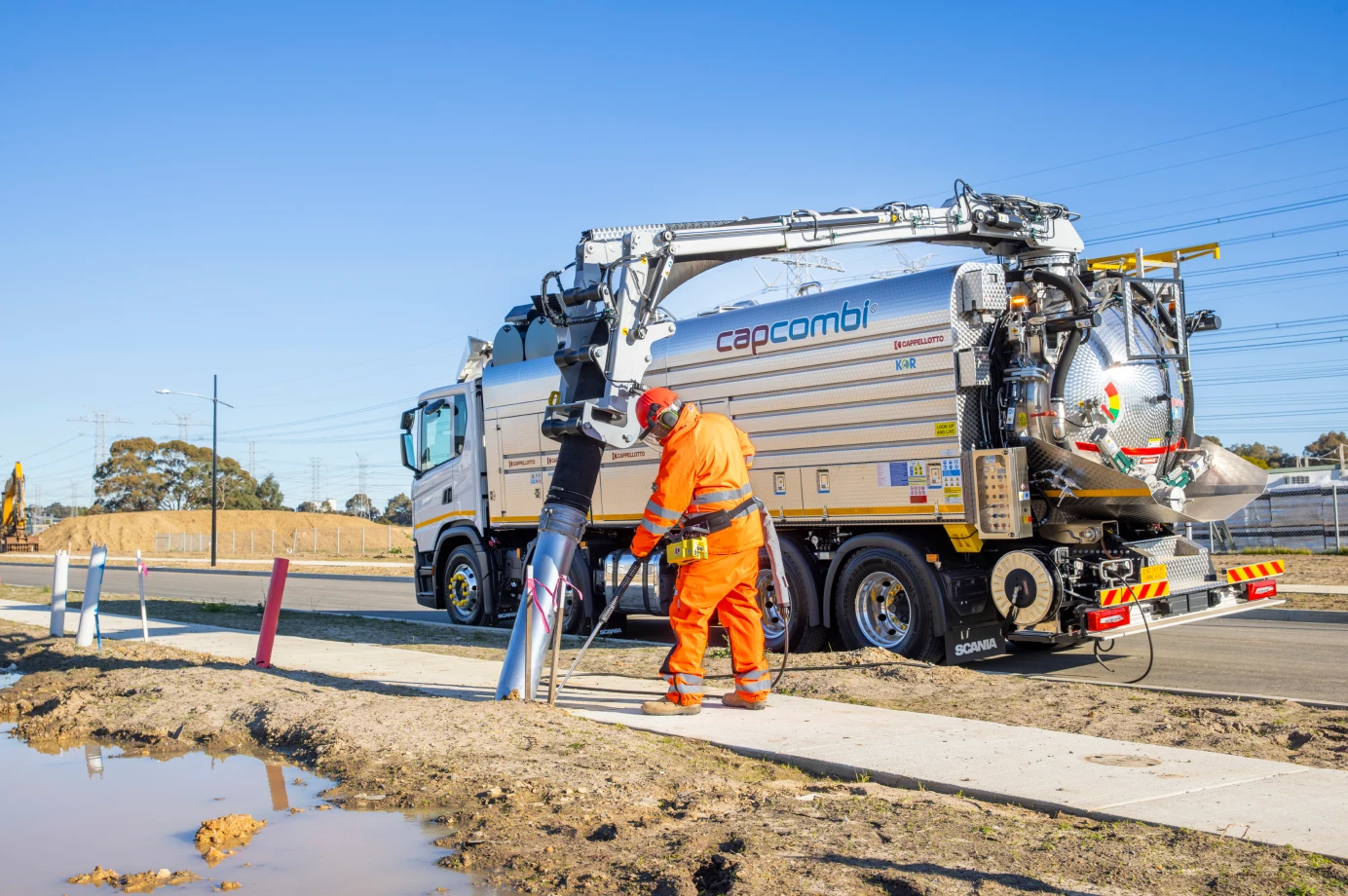
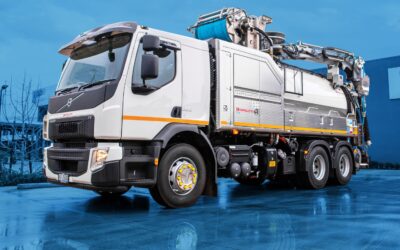
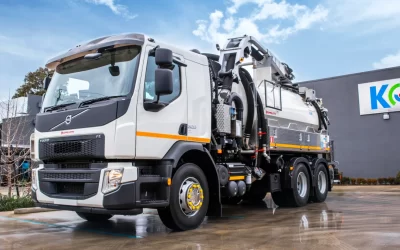
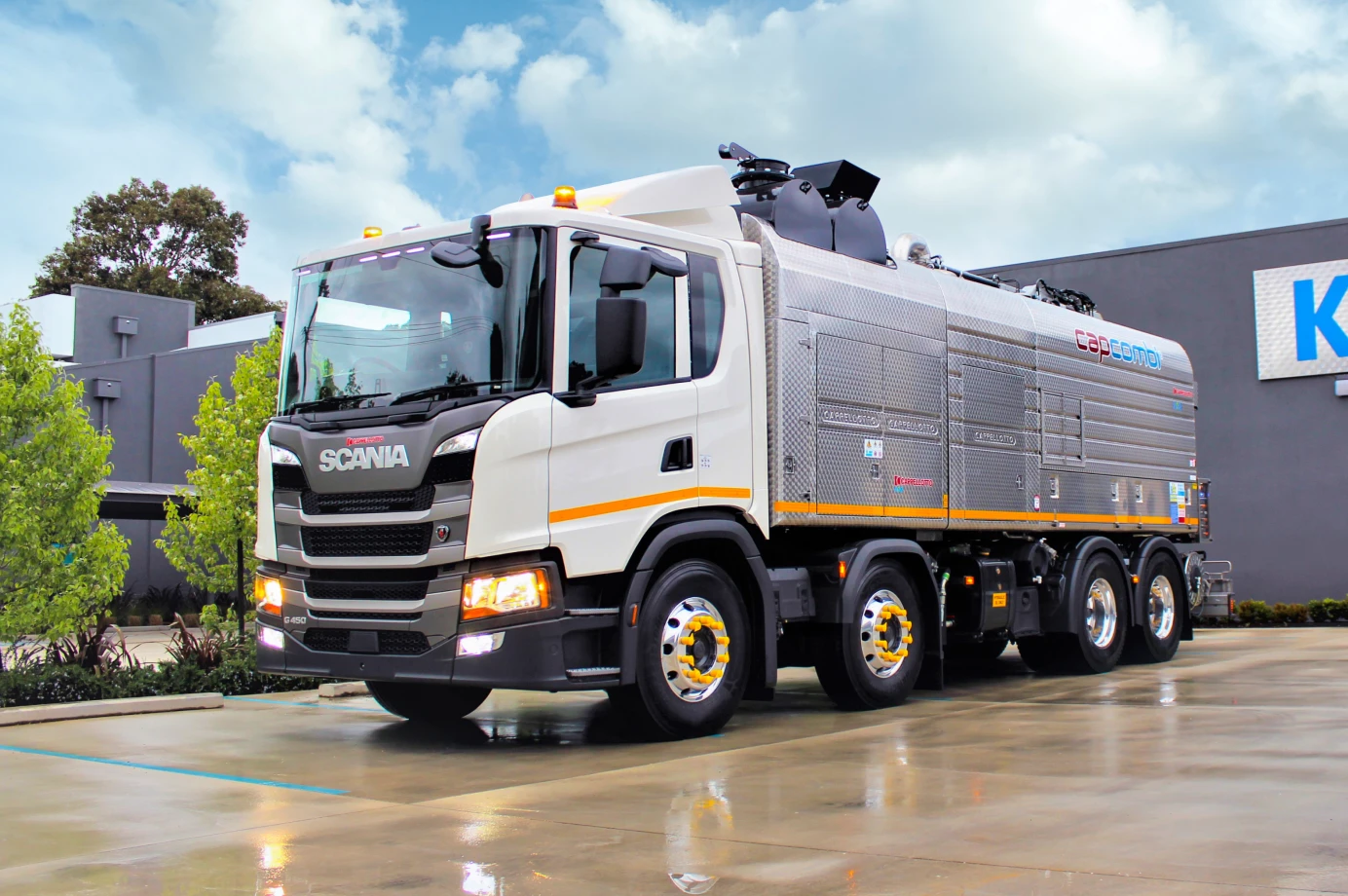
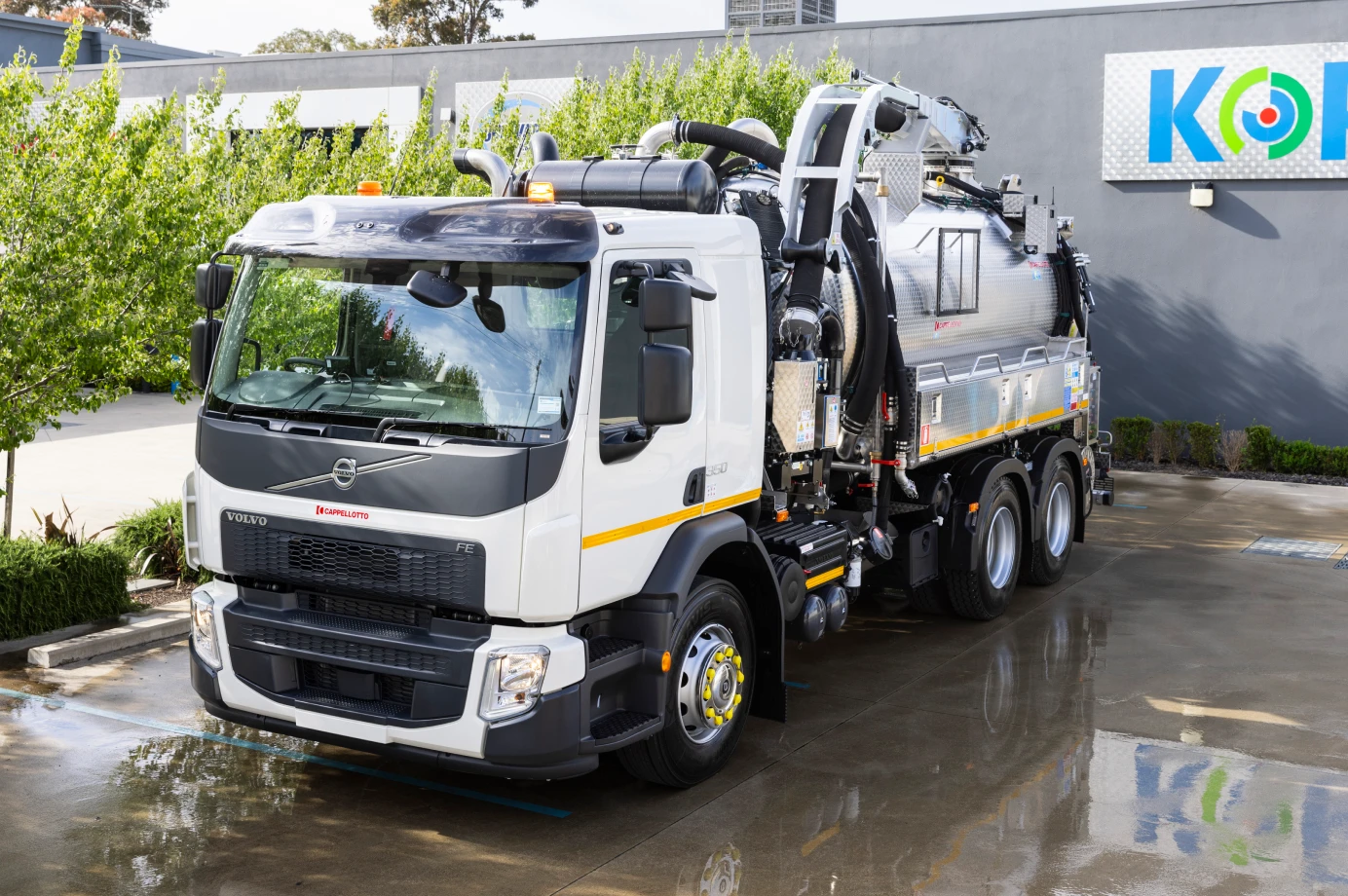
Euro 6 vehicles offer tangible benefits beyond regulatory compliance. The Cappellotto range are mounted mainly on Euro 6 Scania chassis and some Volvo chassis, and deliver measurable environmental performance in real-world conditions. These include:
- Annual savings of many tonnes of CO₂ for each vehicle
- Considerable fuel savings and in some cases can be up to 20,000 litres per year
- Less diesel litres consumed per hour under standard operation
For fleet managers, this means reduced environmental footprint, lower operating costs, and simplified reporting against ESG (Environmental, Social, and Governance) metrics.
Ready for Renewable Fuels Today
The Euro 6 chassis is engineered for diesel efficiency, but also for compatibility with a wide range of renewable fuels. These alternatives significantly lower carbon intensity and allow businesses to transition towards sustainability without modifying existing engines.
Approved fuels for these engines include:
- Hydrotreated Vegetable Oil (HVO): Delivers up to 83% CO₂ reduction, sourced from waste fats and oils, and can be used year-round as a direct diesel substitute. HVO provides clean combustion, excellent cold weather performance, and is already in use across Australia and New Zealand.
- Biodiesel (FAME): Offers up to 60% CO₂ reduction, made from renewable biomass like vegetable oil or animal fats. Scania engines support up to B100 (100% FAME) for specific use cases, although B20–B30 blends are more common in industrial applications.
- Biogas (Bio-CNG and Bio-LNG): While currently more relevant for dedicated gas engines, biogas made from organic waste is a growing segment in low-carbon transport. It reduces net CO₂ emissions and supports the circular economy.
- Ethanol (ED95): A renewable alcohol-based fuel made from fermented biomass. Used primarily in modified engines for specific applications, ED95 achieves high power output with significantly lower CO₂ and particulate emissions.
- Synthetic Diesel (GTL, BTL, e-Fuels): Produced from natural gas, biomass, or renewable electricity. These fuels closely mimic conventional diesel in performance while offering cleaner combustion and lower soot output.
Each of these fuels contributes to reducing well-to-wheel emissions, and many can be adopted immediately without infrastructure changes. HVO and FAME, in particular, provide an immediate, scalable opportunity for industrial operators looking to minimise emissions without compromising performance.
Cappellotto Efficiency Gains Beyond Emissions
The environmental benefits of Euro 6 chassis are matched by operational enhancements due to Cappellotto’s world leading designs
- Lower Noise output, on some models reducing sound emissions by up to 90%
- Zero water use in vacuum and filter operations on some models, therefore conserving resources
- Belt-driven main pumps can achieve 20 to 30% higher efficiency than hydraulic systems
These features improve fleet productivity, reduce wear and tear, and support work in sensitive environments, particularly in noise-restricted or urban zones.
Answering Common Concerns
Transitioning to new technology often raises questions. Here are some of the most common:
- Cost premium: While Euro 6 vehicles typically carry a higher upfront cost, fuel and maintenance savings provide a clear return on investment. Over time, they reduce the total cost of ownership.
- Maintenance complexity: We support every Euro 6 unit with national service coverage and RTO-accredited operator training (learn more about KOR Academy), ensuring your team can operate and maintain equipment confidently.
- Fuel supply: Renewable fuel availability is expanding across Australia and New Zealand. In the interim, all Euro 6 units operate seamlessly on standard diesel.
- Future-readiness: Euro 6 is compatible with current and upcoming emissions targets. When used with renewable fuels, these systems deliver environmental performance beyond regulatory requirements.
Contact KOR to Invest in Capability and Responsibility
Adopting Euro 6 chassis is a business decision that supports compliance, resilience, and operational leadership. From reducing fuel spend to meeting environmental reporting standards, the value is both immediate and scalable.
If you’re ready to future-proof your operations, we’re ready to support you.
Together, let’s build smarter, cleaner, and more capable fleets for today and for what’s next.